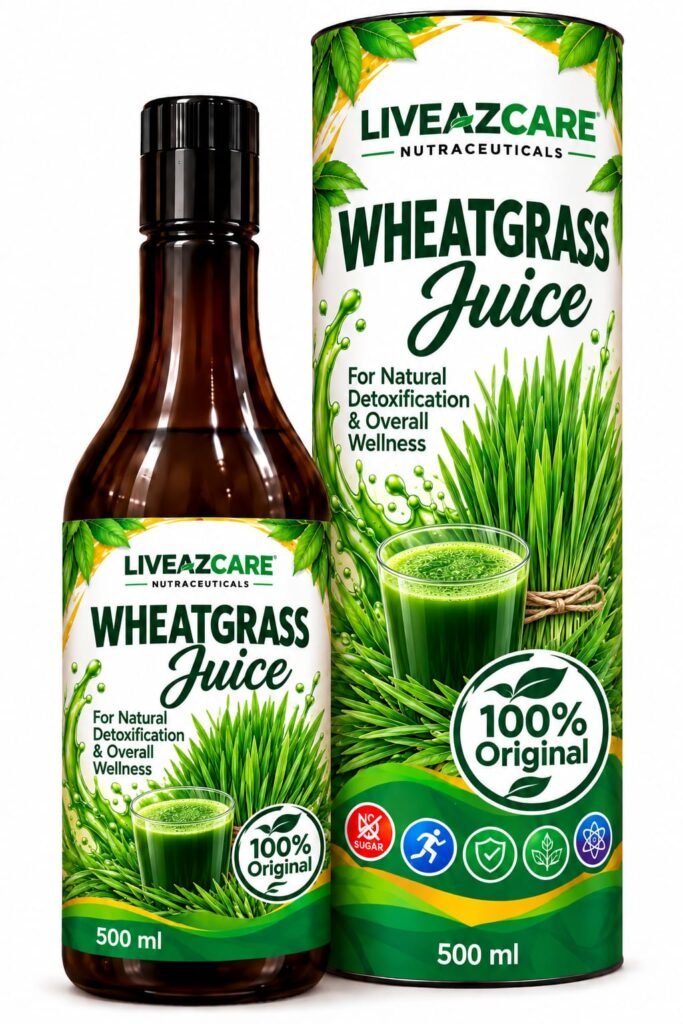
Wheatgrass, a young grass of the wheat plant Triticum aestivum, has gained significant attention in recent years for its remarkable health benefits. This vibrant green plant, often consumed as a juice or supplement, is renowned for its dense nutrient profile and therapeutic properties.
It is believed to have been utilized by the ancient Egyptians and Mesopotamians over 5,000 years ago for its potent health benefits. The modern resurgence of wheatgrass began in the 1930s when agricultural chemist Charles F. Schnabel started promoting it as a superfood. His research highlighted its impressive nutritional content, sparking interest in wheatgrass as a dietary supplement.
Wheatgrass offers a convenient and effective way to supplement the diet with essential nutrients. Its versatility allows it to be incorporated into various forms, such as juices, smoothies, and capsules, making it accessible to a wide range of consumers.
Moreover, with the increasing awareness of natural and holistic health practices, wheatgrass has become a popular choice among those seeking natural remedies and preventive health measures. Its ability to detoxify, boost immunity, and provide essential nutrients aligns perfectly with the modern emphasis on wellness and preventive care.
Wheatgrass stands out as a powerful natural supplement with a rich history and a multitude of health benefits. Its role in detoxification, immune support, digestion, energy enhancement, weight management, and skin health makes it a valuable addition to the modern diet. For those seeking to improve their overall health and well-being, wheatgrass offers a simple yet effective solution that harnesses the power of nature.
Wheatgrass is highly alkaline and can help balance the body’s pH levels. Maintaining an alkaline environment in the body is believed to reduce the risk of chronic diseases and improve overall health. It can also help counteract the effects of a high-acid diet, which is common in modern eating habits.
The nutrients in wheatgrass, particularly iron and vitamin B12, can improve blood flow and oxygenation to the brain, enhancing cognitive function and mental clarity. This can lead to better focus, improved memory, and overall mental sharpness.
Wheatgrass is known to improve cardiovascular health by reducing cholesterol levels and lowering blood pressure. The antioxidants and chlorophyll in wheatgrass help improve blood circulation, reduce inflammation, and prevent plaque buildup in the arteries, promoting a healthy heart.
Wheatgrass has anti-inflammatory and antioxidant properties that can aid in the healing process and recovery from illness or injury. It can reduce inflammation, speed up tissue repair, and strengthen the body’s natural healing mechanisms.
In conclusion, wheatgrass offers a wide range of health benefits that make it a valuable addition to any diet. From detoxification and immune support to improved digestion, energy levels, and skin health, wheatgrass can enhance overall wellness and contribute to a healthier, more vibrant life. Whether consumed as a juice, powder, or supplement, incorporating wheatgrass into your daily routine can provide significant health advantages.
10 to 20ml twice a day or as directed by healthcare professional.